
In industrial and structural applications, surface protection is just as important as structural integrity. From exposure to moisture and UV rays to abrasion, impact, and corrosive chemicals, fabricated metal components must be able to withstand the rigors of their environment. One of the most effective ways to ensure long-term durability is through powder coating; a finishing method that forms a robust, bonded outer layer that resists damage far better than traditional paint.
Used across industries including construction, transportation, agriculture, and energy, powder coating offers a superior solution for metal components that need to perform in harsh or outdoor conditions. With its tough, uniform finish and resistance to breakdown, it has become a go-to finishing method for demanding applications.
The Science Behind Powder Coating’s Strength
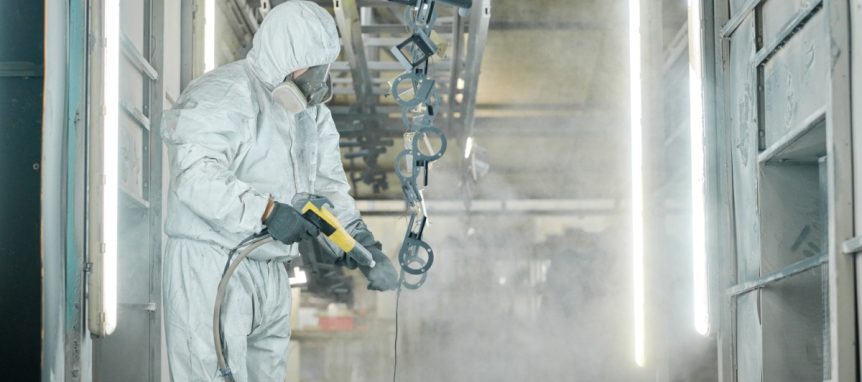
Powder coating is a dry finishing process in which a finely ground, electrostatically charged powder is applied to a metal surface and then cured in a high-temperature oven. During the curing process, the powder melts and chemically bonds to the metal, forming a continuous, hard shell that is significantly more durable than traditional wet paints.
This bonded finish doesn’t chip, flake, or peel as easily, and because the coating wraps the object completely, it helps shield even complex shapes or edges from exposure. The result is a coating that acts as both a physical barrier and a chemical defense against corrosion, moisture, and wear.
Moisture and Corrosion Resistance
One of the leading causes of premature metal failure in harsh environments is corrosion. When metal is exposed to rain, humidity, or salt-laden air, such as in coastal or marine settings,it can quickly begin to rust or degrade. Powder coating forms a tight, uniform seal that prevents moisture from penetrating the surface.
Unlike conventional paint, powder coating doesn’t rely on solvents that can evaporate unevenly, leaving weak points in the coating. Once cured, the powder-coated surface remains impervious to water infiltration, making it ideal for outdoor railings, heavy-duty equipment, enclosures, and any component exposed to the elements.
UV and Weathering Protection
Harsh environments often include prolonged exposure to sunlight, which can cause traditional paint finishes to fade, chalk, or break down over time. Powder coatings, especially those formulated for UV resistance, maintain their color and finish even under direct sun. The chemical structure of powder coating polymers is more stable, allowing them to resist degradation caused by ultraviolet radiation.
This makes powder coating an excellent choice for exterior parts such as gates, fencing, outdoor fixtures, and vehicle components. Whether facing summer heat or winter cold, powder-coated surfaces hold up year after year without compromising appearance or protection.
Abrasion and Impact Resistance
In industrial and agricultural settings, metal components are frequently subjected to rough handling, friction, and impact. Powder coating provides a thicker, more elastic finish than traditional paint, which helps absorb shock and resist scratches, dings, and abrasion.
This tough outer layer not only protects the appearance of the part but also reduces the likelihood of exposure to bare metal, which can lead to corrosion. It’s one of the key reasons powder coating is preferred for tools, brackets, fabricated parts, and machinery operating in demanding environments.
Chemical Resistance for Specialized Applications
In some environments, metal components are exposed to oils, fuels, solvents, or chemicals that can quickly degrade painted surfaces. Powder coatings can be formulated to resist these substances, maintaining their integrity and protective properties even after prolonged exposure.
This resistance makes powder coating particularly useful in manufacturing, food processing, and other facilities where cleaning agents or chemicals are present in the daily work environment.
The Advantage of Long-Term Performance
Ultimately, powder coating extends the usable life of fabricated metal parts by providing a finish that holds up against the elements and daily wear. With fewer maintenance requirements, reduced need for repainting, and better long-term aesthetics, powder coating delivers exceptional value over time.
Compared to painting or other surface treatments, powder coating also offers consistent coverage, minimal environmental impact, and a professional, high-performance finish that meets the expectations of both industrial and commercial applications.
Trusted Finishes for Demanding Conditions
At Sizemore Welding, we apply powder coating as part of our full-service fabrication process to ensure the components we build are not only structurally sound, but also built to last. Our in-house powder coating setup allows us to control the entire finishing process, resulting in consistent quality and faster project delivery.
Whether your components face outdoor exposure, chemical environments, or heavy daily use, we can provide the durable finish they need to perform in the field. Contact us today to learn more about our powder coating capabilities and how we can help protect your next project.