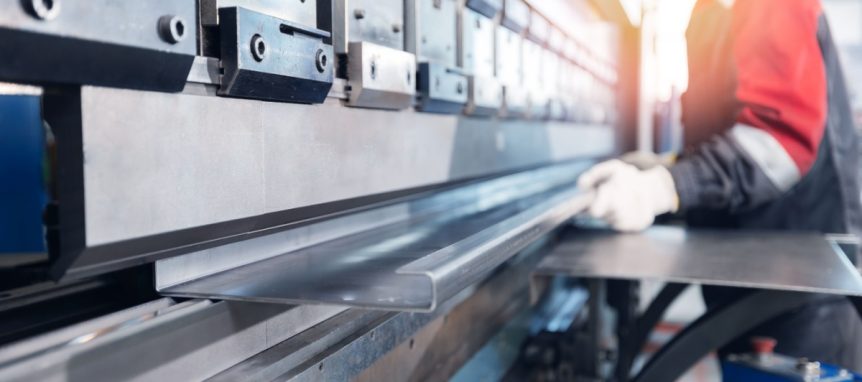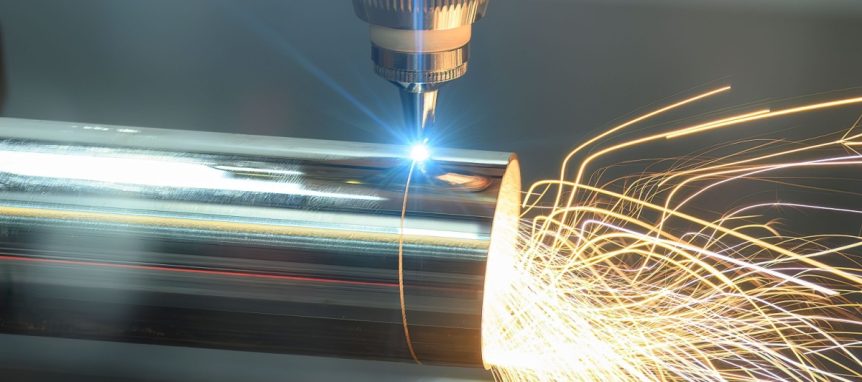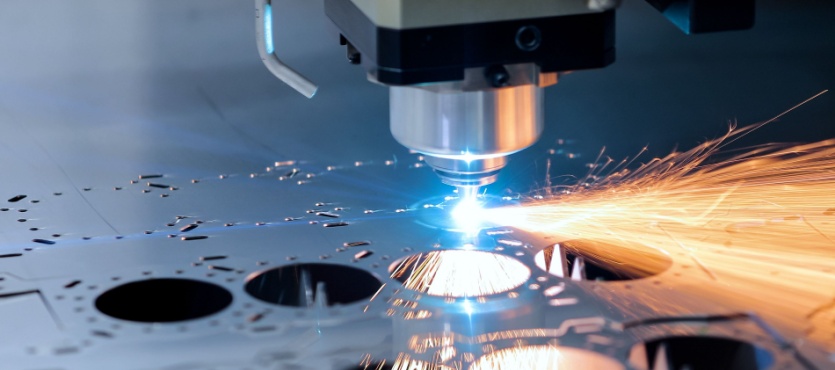
Metal fabrication is a cornerstone of modern manufacturing and infrastructure, yet it’s rarely a straightforward process. From initial design to final assembly, large-scale fabrication projects involve complex coordination, precise execution, and constant quality assurance. Along the way, challenges can and do arise—some predictable, others not. These hurdles can delay production, increase costs, or even compromise safety if not addressed properly. …
Why Weld Quality Matters in High-Stress Applications
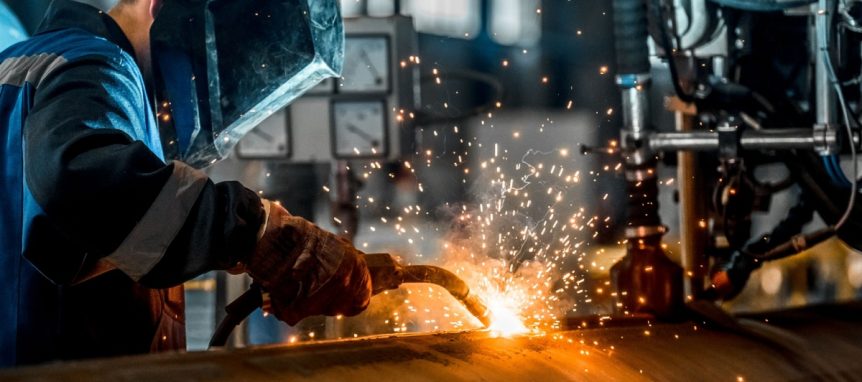
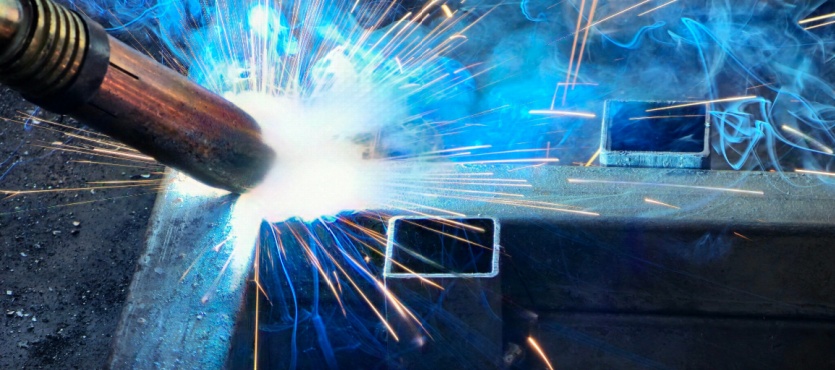
In industries where safety, strength, and performance are non-negotiable, weld quality is one of the most critical factors in determining whether a structure or component will hold up under pressure—or fail. High-stress applications, such as structural supports, heavy machinery, transportation equipment, and industrial frameworks, place extreme demands on welded joints. These environments leave no room for weak welds, shortcuts, or …
Why In-House Machining and Fabrication Saves Time on Large Projects
When it comes to large-scale metal fabrication projects, time is often just as critical as quality. Meeting deadlines, avoiding bottlenecks, and reducing coordination issues are essential for staying on schedule—and on budget. That’s where in-house machining and fabrication capabilities become a major advantage. Companies that can handle everything under one roof, from cutting and bending to welding and finishing, bring …
Understanding the Powder Coating Process: From Preparation to Curing
Powder coating is a popular finishing technique used to enhance the durability, appearance, and performance of metal products. It is widely utilized across industries such as manufacturing, automotive, construction, and agriculture due to its ability to provide long-lasting protection and a clean, uniform finish. Unlike traditional liquid paint, powder coating is solvent-free, environmentally friendly, and capable of producing thicker coatings …
The Role of Welding in Sustainable Manufacturing
Sustainable manufacturing focuses on reducing waste, conserving resources, and minimizing environmental impact while maintaining efficiency and productivity. As industries transition to greener practices, welding has become a vital component of sustainability efforts. Whether through energy-efficient welding techniques, material conservation, or repair and restoration processes, welding helps manufacturers extend the lifespan of metal components and reduce their carbon footprint. Additionally, advancements …