
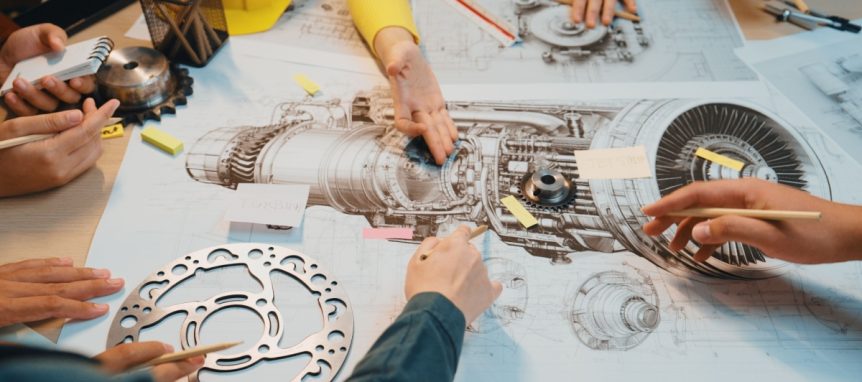
In metal fabrication, accuracy is everything. Even small measurement errors or misinterpretations in design can lead to costly delays, wasted materials, and structural issues. That’s why engineering and drafting play such a critical role in modern fabrication. Before any metal is cut, welded, or assembled, detailed planning and precise drawings ensure that every component is built exactly as intended.
With the use of advanced drafting tools and engineering practices, fabrication shops can eliminate guesswork, improve communication, and deliver consistent, high-quality results, especially on complex or large-scale projects.
Turning Concepts into Precise Plans
Every fabrication project begins with an idea, but turning that idea into a functional, buildable product requires detailed engineering. Drafting transforms concepts into technical drawings that define dimensions, tolerances, materials, and assembly requirements.
These drawings act as the blueprint for the entire fabrication process. Instead of relying on rough sketches or verbal instructions, fabricators work from clearly defined plans that leave little room for interpretation. This level of detail ensures that every part is produced to exact specifications, reducing the likelihood of errors during production.
Eliminating Guesswork on the Shop Floor
Without proper drafting, fabricators may need to make assumptions about dimensions, fitment, or material requirements. This can lead to inconsistencies, misaligned components, or the need for rework. Engineering and drafting remove this uncertainty by providing clear instructions for every step of the process.
Accurate drawings show how each component should be cut, drilled, formed, and assembled. Weld locations, joint types, and connection details are all clearly defined, allowing fabricators to execute the work with confidence. This reduces trial and error and ensures a smoother workflow from start to finish.
Improving Fit-Up and Assembly
One of the biggest challenges in fabrication is ensuring that all components fit together correctly during assembly. Even small deviations in measurements can create alignment issues, forcing adjustments in the field or during final assembly.
Engineering and drafting improve fit-up by accounting for tolerances, material thickness, and assembly sequencing ahead of time. When parts are designed with precision, they come together exactly as planned, reducing delays and minimizing the need for on-site modifications. This is especially important for structural steel, large assemblies, and projects with multiple interconnected components.
Enhancing Communication Across Teams
Fabrication projects often involve multiple teams, including engineers, machinists, welders, and project managers. Clear communication between these groups is essential for maintaining accuracy and keeping projects on schedule.
Detailed engineering drawings serve as a universal reference point that everyone can follow. Instead of relying on verbal instructions or assumptions, each team works from the same set of plans. This alignment reduces miscommunication, ensures consistency, and allows teams to coordinate more effectively throughout the project.
Supporting Complex and Large-Scale Projects
As fabrication projects become more complex, the need for precise engineering becomes even more important. Large-scale builds often involve multiple components that must work together seamlessly, sometimes across different phases of production.
Engineering and drafting help manage this complexity by organizing every detail in advance. From part numbering and material specifications to assembly sequences and weld locations, everything is planned before fabrication begins. This level of preparation allows shops to handle intricate builds with confidence and efficiency.
Reducing Waste and Rework
Mistakes in fabrication can be expensive. Incorrect cuts, misaligned parts, or improperly sized components often lead to wasted materials and additional labor. Engineering and drafting significantly reduce these risks by ensuring that everything is planned correctly from the beginning.
With accurate drawings, fabricators can optimize material usage, avoid unnecessary cuts, and minimize scrap. Fewer errors also mean less rework, which helps keep projects on budget and on schedule. Over time, this efficiency leads to better overall project outcomes and improved cost control.
Accuracy Starts Before Fabrication Begins
In metal fabrication, precision doesn’t start at the cutting table or welding station, it starts in the engineering phase. Detailed drafting ensures that every measurement, angle, and connection is accounted for before production begins, setting the stage for a successful build.
By investing time and expertise into engineering and drafting, fabrication shops can deliver stronger, more reliable results while avoiding the pitfalls of miscommunication and error.
Engineered for Precision at Sizemore Welding
At Sizemore Welding, engineering and drafting are key parts of our fabrication process. Using advanced design tools and experienced planning, we ensure every project is built with accuracy from the ground up. Our team works closely to translate concepts into precise, fabrication-ready drawings that support efficient production and reliable results.
If you’re planning a project that demands precision and performance, contact Sizemore Welding to learn how our engineering and fabrication capabilities can support your goals.