
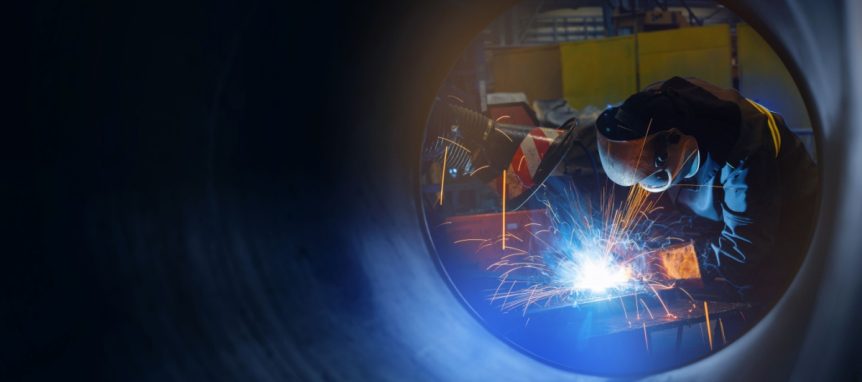
Welding is at the heart of industrial metal fabrication, and the material selected for each project plays a critical role in its outcome. While a range of metals are used in fabrication, carbon steel stands out as one of the most reliable, cost-effective, and widely used materials in heavy-duty welding applications. Its strength, versatility, and weldability make it ideal for a wide range of industrial needs, from structural frameworks to equipment repairs and custom components.
Let’s take a closer look at why carbon steel remains the top choice for welding in industrial settings and how it supports long-lasting, high-performance fabrication work.
Strength and Durability Under Load
One of the most important reasons carbon steel is favored in welding applications is its exceptional mechanical strength. It can handle high loads and resist deformation under stress, making it well-suited for structural and load-bearing applications. In industries such as construction, transportation, energy, and manufacturing, components often face heavy use, repeated stress, and environmental challenges. Carbon steel’s durability allows welded structures and parts to maintain integrity under these demanding conditions.
Additionally, carbon steel comes in multiple grades, from low to high carbon content, allowing fabricators to select the appropriate strength and hardness for a given project. This flexibility supports everything from structural columns to pressure-bearing pipe systems.
Excellent Weldability
Carbon steel’s compatibility with multiple welding techniques is another key advantage. It can be successfully welded using MIG, TIG, and stick (SMAW) methods, making it versatile across different fabrication setups. Compared to other metals, carbon steel is less sensitive to heat input and less likely to suffer from warping, cracking, or porosity during the welding process—especially when using proper techniques and filler materials.
For welders, this means fewer complications during setup, a reduced need for special shielding gases or preheat treatments, and more predictable results during fabrication. For clients, it translates to faster project completion and fewer quality issues.
Cost Efficiency
In any industrial project, material costs can add up quickly. Carbon steel is significantly more affordable than stainless steel, aluminum, or other specialty alloys. It is widely available and easy to source in various forms, from plate and pipe to beams and bars. When paired with its excellent performance characteristics, this makes carbon steel one of the most cost-effective materials in industrial fabrication.
The ease of welding carbon steel also contributes to lower labor costs. Fabricators can move quickly through the welding and finishing stages without sacrificing quality. For large-scale or high-volume builds, these savings compound to deliver significant cost advantages.
Flexibility in Fabrication
Carbon steel is highly adaptable in terms of form and finish. It can be cut, drilled, formed, and machined with standard equipment. This makes it ideal for fabrication shops offering a wide range of services, whether the project involves structural components, brackets, flanges, or custom frames.
In-house capabilities such as laser and waterjet cutting, machining, and powder coating integrate well with carbon steel fabrication, streamlining production from raw material to finished product. The ability to shape and finish carbon steel efficiently also makes it easier to accommodate last-minute design changes or part modifications.
Long-Term Performance with Proper Finishing
While carbon steel is not naturally corrosion-resistant like stainless steel, its surface can be treated effectively with powder coating, galvanizing, or painting to extend its lifespan in harsh environments. When paired with proper finishing techniques, carbon steel parts can perform reliably in outdoor, high-moisture, or industrial settings for many years.
This makes it a practical choice for clients who need strength and durability but want to avoid the higher material costs associated with corrosion-resistant alloys. With the right coating, carbon steel remains a durable and cost-effective solution for even the most challenging conditions.
A Trusted Material for Industrial Welding Success
In nearly every sector that relies on heavy fabrication, construction, transportation, utilities, and manufacturing, carbon steel is a proven performer. It offers the ideal combination of strength, affordability, and adaptability, and when welded by experienced professionals, it produces reliable joints that hold up over time.
Because it welds cleanly and resists common defects, carbon steel is also a smart choice when project timelines are tight and rework needs to be minimized. For teams that need consistent performance without inflating project budgets, it’s often the go-to material.
Welded with Precision at Sizemore Welding
At Sizemore Welding, we work with carbon steel on a daily basis. Our skilled team understands how to weld and fabricate carbon steel components that meet the rigorous demands of industrial use. Whether we’re cutting, welding, machining, or coating, our full-service approach ensures your project benefits from precision, efficiency, and long-term durability.
Need a structural component or custom part made from carbon steel? Contact Sizemore Welding today to learn how our welding and fabrication services can support your project with strength and reliability.